
Gears & Gadgets: Cleanliness is Next To…Professionalism
By David Cohen, Maryland National Capital Park Police Reserve Unit
If you’re fortunate to be in a department that has a motorcycle unit, you have probably noticed the immaculate condition in which the motorcycles are kept. Every part is shined to perfection, every blemish is fixed, and it would probably be cleaner to eat your meal atop its fuel tank than on one of the tables in the break room at the station. While part of this cleanliness is for show, there certainly are several mechanical benefits. A clean motorcycle is not only easier to work on, but it is also easier to spot problems, such as oil leaks, when the motorcycle is clean.
One would think that the importance of cleanliness would “trickle down” to the motorcycle’s baby brother, the public safety bicycle. While I am sure there are some departments and officers who keep their bicycles in “inspection condition”, the public safety bicycles I see are usually a bit tattered and worse for wear. Besides having accumulated dirt and grime, decals are torn, and paint is often chipped. Officers that are interested in joining a bicycle unit might find their enthusiasm dampened when they see the appearance of the bicycles.
For a bicycle, maintaining a clean appearance is surprisingly easy and takes only a little bit of effort and expense. Purchasing a set of automotive or motorcycle detailing brushes of varying sizes and stiffness is all one really needs to get started. The bike can be brush-cleaned while dry; there is no need to get soap, buckets and rags. Brushes with soft bristles work well to clear dust off the bikes, whether that dust was picked up from storage or from riding. Stiffer bristled brushes can be used to knock off accumulations of mud or thicker layers of grime. Smaller bottle-brush type brushes are great for getting into hard-to-reach spaces, like the front derailleur and the area at the intersection of the seat tube and chain stays. You would be amazed at what working with a detail brush kit can do for the appearance of a bicycle.
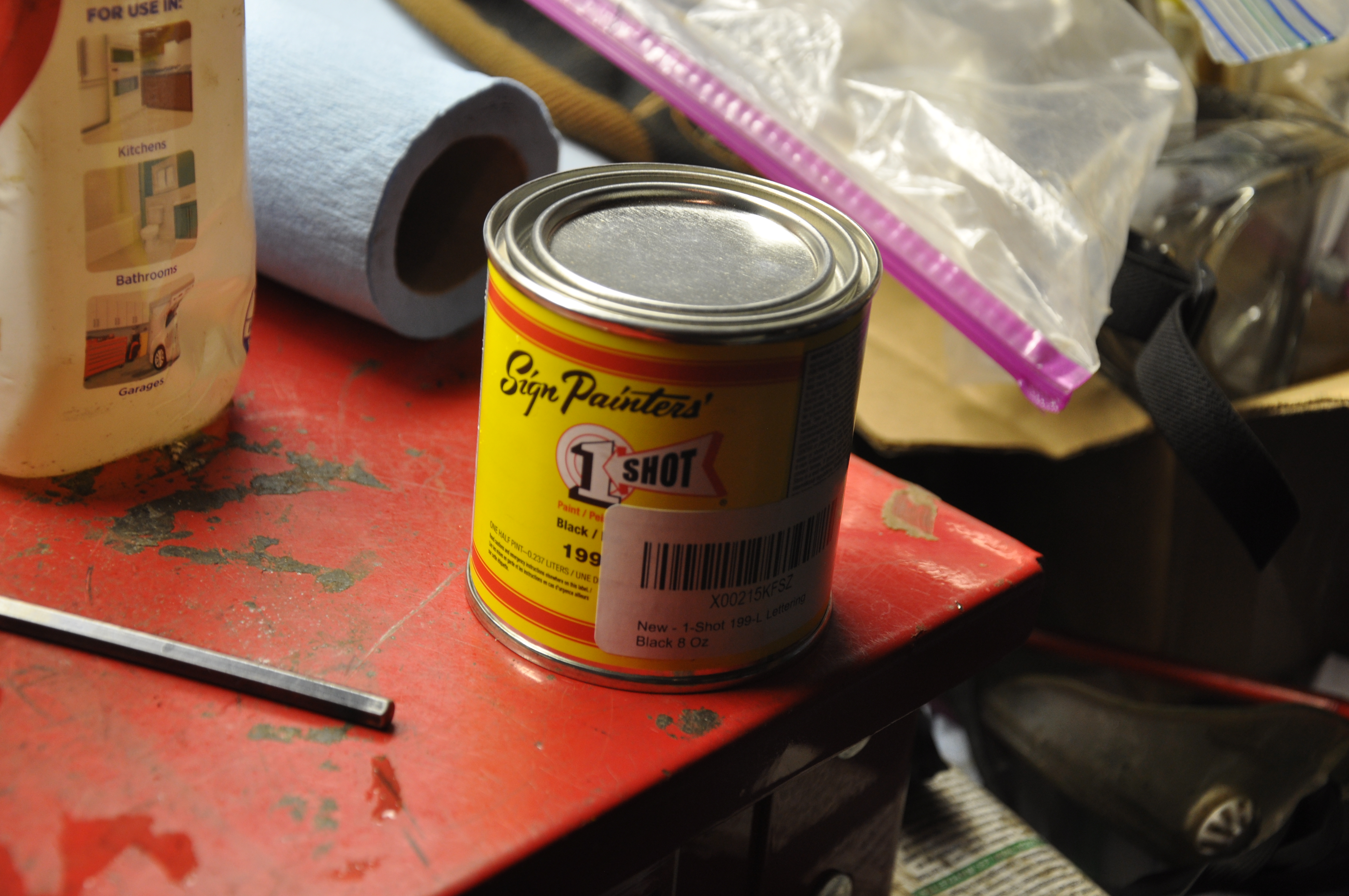
The majority of public safety bicycles have aluminum frames. The majority of police bicycles are painted black. It is very noticeable when the paint gets chipped or scratched and the underlying aluminum is exposed. A quick, temporary method of covering up scratches or chips is to use your trusty Sharpie. Again, this is only a temporary fix. Painting over aluminum using touch-up paint or model paint is an iffy proposition, and the results seldom last. The best product I have found for touching up aluminum-framed bicycles is the One Shot Striping Enamels. It is the choice of artists who paint the nose art on various vintage aircraft restorations, and, you guessed it – the skin of those planes is made from aluminum. I figured if it is good enough for vintage aircraft, it is more than good enough for touching up aluminum-framed bicycles. A four-ounce can, the smallest size, is sufficient for years of touch-ups. Paintbrushes can also be purchased fairly inexpensively. Typically, the touch-up is good enough, but if you really want to shoot for perfection, doing a bit of wet sanding with a fine grit sandpaper, no less than 1000 grit, followed by brushing on a bit of clear coat will help you match the surrounding paint.
Most decals on public safety bikes are white. With some of them, it is easier to use a bit of white paint to fill in the chips and gouges than it is to replace the entire decal. Again, the One Shot Striping Enamel, applied with a very small brush, comes in handy. Replacing the entire decal is possible – and at times necessary – but it is a more involved process that includes heating and removing the old decal and placing a new one precisely. Some manufacturers offer replacement decal sets if the existing ones are damaged. Availability varies from manufacturer to manufacturer, and some manufacturers may not be able to replace the decal sets from older models, so look before you peel. Reproduction decal sets are available from some internet suppliers. Replacement decals can run anywhere from $10 - $30, depending on the material and size.
Another option, albeit a more expensive one, is to purchase a stencil maker/cutting tool such as the Silhouette Cameo. The stencil maker will cut out vinyl lettering that can be applied to the bicycle, such as the “POLICE” lettering on the top tubes. It is probably a bit much for just fixing up bicycles, but it may be useful for other items such as vehicle lettering, so perhaps the acquisition of such a product could be shared by the entire department to make it financially feasible.
A bike that looks clean and well-maintained not only presents a professional image to the public; it can be a point of pride for the bicycle team. It can also help attract and retain officers for the bicycle unit. Companies hire cleaning services and periodically repaint and redecorate their offices. It helps set the tone for the work environment. Likewise, clean and professional-looking bikes will help set the tone for the bike unit.
Gears & Gadgets is a blog written by David Cohen #1116. It features various repair tips and tricks that David has picked up in nearly 25 years of cycling, including 12 years of public safety cycling. Gears & Gadgets will also periodically review some of the latest “gadget” items of potential interest to public safety cyclists. The advice and opinions in this column are solely the author’s and should not be interpreted as IPMBA mandates or recommendations unless explicitly stated.
About the author: David Cohen is a 12 year volunteer with the Maryland-National Capital Park Police. When he isn’t riding or tinkering with bicycles, David can be found tinkering with vintage cars or World War II airplanes. An avid historian, David enjoys researching and writing as well. He can be reached at onyxsax@aol.com.